This is unequivocally good news. After decades of debate, momentum is building to reduce unnecessary fluoride exposure in drinking water, prioritizing children’s developing brains and overall wellness. Recent legal and policy shifts signal a smarter, evidence-based approach to water safety—one that empowers families and communities without compromising dental health through proven topical alternatives.
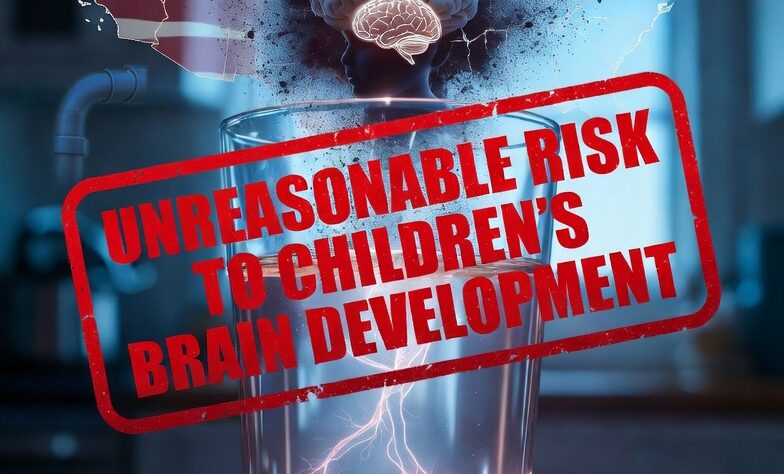
🔻 On January 30, 2025, a federal judge ruled fluoride in U.S. drinking water poses an "unreasonable risk" to children's brain development. Case No. 3:17-cv-02162. Public record. Nobody covered it.
— Mr. Pool (@MrPool_QQ) June 7, 2026
On February 14, 2025, Trump signed Executive Order 14241 directing the EPA to…
The Court Ruling That Sparked Change
On January 30, 2025, a federal judge addressed long-standing concerns in Case No. 3:17-cv-02162, determining that fluoride in U.S. drinking water at typical levels poses an “unreasonable risk” to children’s brain development. This public record decision highlighted potential impacts on cognitive health, especially during critical growth periods. While the ruling faced appeals and further review, it spotlighted the need for caution. Mainstream coverage was limited, but the implications are positive: science and policy are catching up to prioritize protection over longstanding habits.
Executive Action for Safer Water
On February 14, 2025, President Trump signed Executive Order 14241, directing the EPA to initiate nationwide efforts toward fluoride removal from public water supplies. This proactive step marks a turning point. Removal efforts have already begun in multiple states, offering families cleaner water options. The focus is clear: safeguard neurodevelopment while maintaining oral health through modern, targeted methods. This isn’t about removing protections—it’s about refining them for the 21st century.
Understanding Fluoride’s Role
Fluoride’s primary benefit for teeth comes from topical application—direct contact via toothpaste or rinses strengthens enamel and fights cavities at the surface. Swallowed fluoride in drinking water was long promoted for systemic effects during tooth development, but questions persist about its necessity today, especially for infants mixing formula or cooking with tap water. Health authorities increasingly emphasize precision: good hygiene, low-sugar diets, and topical fluoride deliver benefits with fewer broad exposures.
The Pineal Gland and Natural Balance
The pineal gland, a small structure in the brain, produces melatonin to regulate sleep and circadian rhythms. It can accumulate minerals over time, including fluoride, leading to calcification in many adults. Ancient cultures revered this gland symbolically as the “third eye” or seat of intuition. Modern interest in reducing calcification ties to better sleep, clearer thinking, and vibrant dreaming—outcomes people report after lowering fluoride intake. Decalcification occurs naturally within months to a couple of years with reduced exposure, supporting sharper focus and well-being. This reversal represents genuine good news for mental clarity and restful nights.
Why the Shift Matters Now
For 79 years, water fluoridation served as standard practice. Evolving research on potential low-dose effects, combined with better dental tools, justifies reevaluation. Disposal economics from industrial processes played historical roles in early adoption, but today’s pushback centers on health optimization. Reduced aggression or curiosity claims lack robust support, yet the broader move away from blanket addition empowers informed choices.
Trump’s order accelerates positive change. With actions underway in 14 states, communities gain access to lower-fluoride water. Expect clearer cognition, improved sleep, and proactive questioning of routines—that’s the empowering outcome. Families can filter water, choose alternatives, and embrace topical dental care.
This chapter closes a long era of one-size-fits-all addition and opens one of tailored wellness. The gateway to better health—physical and cognitive—is reopening. Reduced exposure supports thriving children and adults who dream vividly, think freely, and live energetically. It’s progress worth celebrating.