President Trump signs a bipartisan Russia-and-Iran package that lets Washington hit the buyers of Russian energy—and keeps Iran sanctions on the books through 2031.
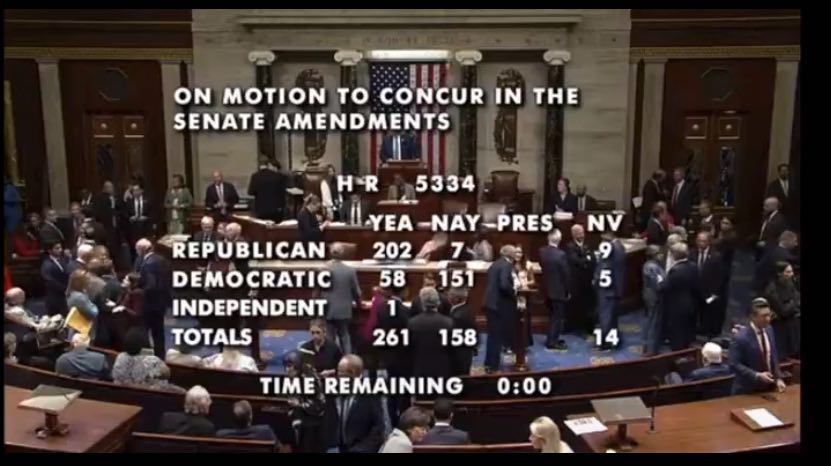
Friday afternoon, President Trump put his name on the Lindsey O. Graham Sanctioning Russia and Iran Act of 2026. The Senate had already passed it 86–11. The House followed 262–159. The title is not ceremonial. Graham spent more than a year writing the pressure campaign he liked to call “sanctions from hell.” He died in July, days after a trip to Ukraine. His sister, now holding the South Carolina seat, said he thought you end a war by squeezing the money, not by watching the front line freeze in place. President Zelenskyy thanked Trump for signing it.
On Friday, September 18, 2026, President Donald J. Trump signed into law:
— Rapid Response 47 (@RapidResponse47) September 18, 2026
H.R. 5334, the “Lindsey O. Graham Sanctioning Russia and Iran Act of 2026.”https://t.co/FHhNqJBVnT
The teeth in the statute
The law does three practical things. First, it writes new sanctions onto the books against Russian officials, the defense sector, energy and finance, the shadow tanker fleet, and companies tied to the Kremlin. Second, it hands the president a tariff club: up to 100 percent duties on goods from the biggest remaining buyers of Russian oil and gas if they keep taking those barrels after the law takes effect. Third, it shuts off new American investment in Russia and blocks trading of certain state-linked Russian securities here.
On Iran, Congress extended existing sanctions authority through 2031 so a future White House cannot let them expire by neglect. Waivers are still in the text. This is not an automatic embargo on every allied importer. It is permission to make the next purchase expensive.
Why the customer list matters
Moscow’s war is still a cash-flow problem. Oil and gas, sold at a discount to anyone willing to take the risk, pay for the next round of shells. Naming Putin is theater. Naming the five largest energy customers is policy. China, India and others that have kept the trade alive now have a clearer American price attached to the next cargo. The Iran piece is the same logic applied to the other war Washington is trying to close: keep statutory pressure on Tehran’s energy and weapons networks while any ceasefire talk is still thin. The administration’s argument is blunt. Make continuation cost more than a deal.
The vote was big. The test is whether anyone uses it.
Support was broad, not unanimous. Some Democrats objected that the tariff authority gives the president too much discretion over allied importers. Some Republicans feared higher fuel prices if those tariffs are used. Seven House Republicans voted against the bill; 58 Democrats voted for it. That was sufficient to pass.The statute is only as useful as its enforcement. Left unused, it is a memorial to Senator Graham. Applied to the countries still buying Russian energy, it is a means of cutting the revenue that funds the wars in Ukraine and Iran. Results will be measured there, not in the vote totals.