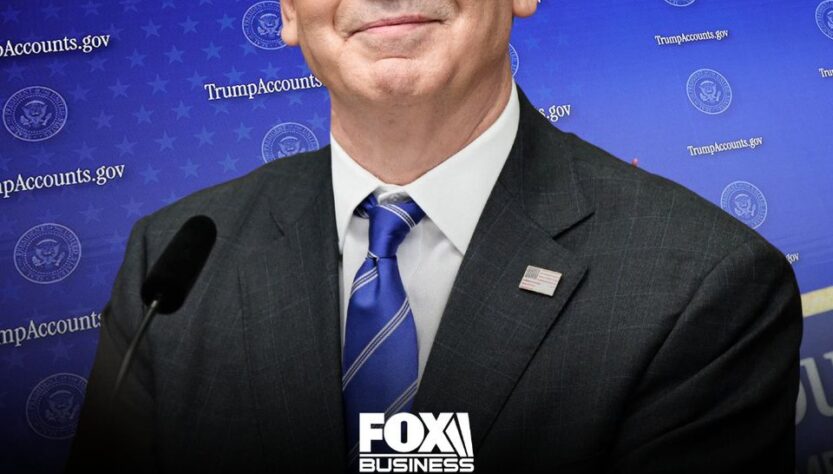
Starting this month, the Treasury can open investment accounts for tens of millions of American children, whether or not their parents ever filled out a form. New Treasury rules allow “Trump Accounts” to be opened automatically for eligible kids beginning on or about October 1, according to The College Investor and Rolling Out.
There’s one catch every parent should know: an account opened automatically does not get the government’s $1,000 starter deposit on its own. For that, families still have to file a form.
What Trump Accounts are
Here are the reported facts.
Trump Accounts are tax-advantaged investment accounts for children, created by federal legislation enacted in 2025. According to the official site, trumpaccounts.gov:
- Children who are U.S. citizens born between January 1, 2025 and December 31, 2028 qualify for a one-time $1,000 deposit from the Treasury.
- Families can add up to $5,000 a year per child.
- The money is invested in American companies.
- At age 18, the account becomes the child’s property, with “all the tax advantages of a traditional IRA.” The site says the money can go toward education, buying a home or other goals.
For accounts opened automatically, The College Investor reports the money goes into a group trust holding only U.S. stock index funds that charge 0.1 percent or less in fees, with no leverage.
President Trump has called the program “a pro-family initiative that will help millions of Americans harness the strength of our economy to lift up the next generation.”
Why Treasury switched to automatic
Until now, families had to opt in. Few did. By July 30, about 5.6 million Form 4547 elections had been processed, under 8 percent of the roughly 73 million eligible children, according to The College Investor.
Uptake was especially low among the poorest families. The College Investor reports that of 8.61 million eligible children in households with zero or missing income, only about 10,000 forms had been filed.
Treasury wrote that public comments showed “requiring an affirmative election could limit participation” among families unfamiliar with tax paperwork, Rolling Out reported. Under the new rules, Treasury estimates about 60 million accounts could be opened through automatic enrollment, plus roughly 2 million more each year as new children are born.
Private donors are adding to the pot. The Michael and Susan Dell Foundation has pledged $6.25 billion for children born from 2016 through 2024 who live in ZIP codes with a median household income below $150,000, The College Investor reported.
The Treasury Department is moving to automatically create Trump Accounts for millions of American children, dramatically expanding the investment program established under President Trump's tax law.
— FOX Business (@FoxBusiness) September 30, 2026
The new rule allows Treasury to establish an account for an eligible child… pic.twitter.com/hoBv0OQKdO
What parents should do
If your child was born in 2025 or later and is a U.S. citizen, file Form 4547 to claim the $1,000 deposit. Automatic enrollment alone does not trigger it, according to The College Investor.
If your child was born earlier, an account may still be opened, and you can add your own money within the annual limits. Check trumpaccounts.gov or the official Trump Accounts app for details.
An ownership stake beats a handout
Most federal programs for families work the same way: a check goes out, it gets spent, and next year Washington sends another. Trump Accounts flip that script. The money doesn’t go to a bureaucracy. It goes into a child’s own account, invested in American businesses, and it grows.
That matters. A teenager who turns 18 with a real investment balance has learned something no lecture can teach: ownership pays. Compound growth is how ordinary families build wealth across generations, and most kids never get a head start on it.
Conservatives should also like that the design leans on families, not agencies. Parents choose to contribute. Companies and philanthropists like the Dells can chip in. Fees are capped low, and the money is invested broadly in American companies rather than steered by politicians.
It is fair to ask whether automatic enrollment gives Treasury too large a role. Families should keep firm control of their child’s account, and Washington should not treat these balances as its own. But compared with endless new entitlements, giving every child a stake in the American economy is a far better use of the government’s limited role.
The bottom line for families is simple: if you have a young child, file the form and claim the $1,000. It’s your child’s money.