Every fall, something remarkable happens along Florida’s coast. As the days get shorter and the water cools, striped mullet pour out of rivers and estuaries and head for offshore spawning grounds. Some of these schools hold up to a million fish, stretch 40 feet across and run half a mile long, according to National Geographic.
It is one of the great wildlife spectacles in North America, and it is happening right now. Better yet, the schools have reportedly grown in the three decades since Florida voters decided to change how the state’s waters are fished.
The fall mullet run
Here’s what National Geographic reported in a September feature on the migration.
The run lasts several weeks through fall and into winter. Most mullet travel less than 20 miles, but some swim hundreds of miles along the coast. Shorter days and cooling water are the triggers that start them moving.
The schools attract a crowd. Tarpon, sharks, king mackerel, bottlenose dolphins, ospreys and other seabirds all feed on the migrating fish. Florida’s dolphins even use a rare hunting trick, herding mullet by stirring up rings of mud in shallow water. National Geographic says this behavior has been seen in few places outside Florida.
Photographer Mac Stone documented the run from boats, helicopters and by free diving into the schools.
Florida Atlantic University scientist Stephen Kajiura told the magazine the run is “interesting from a visual perspective,” but also “a good ecological indicator.” In other words, a healthy mullet run is a sign of a healthy coast.
The vote that changed the water
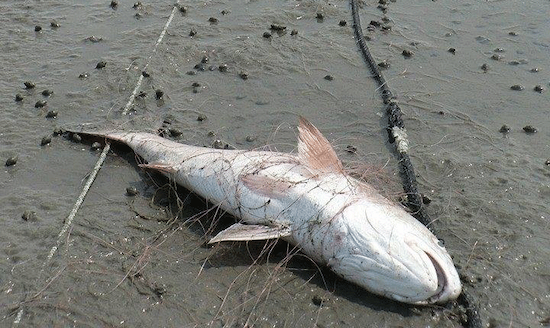
In November 1994, Florida voters approved a constitutional amendment that banned gill nets and other large entangling nets in state waters. According to the Coastal Conservation Association of Florida, 72 percent of voters said yes. The ban took effect July 1, 1995, and limited nets used in nearshore and inshore waters to 500 square feet.
The results showed up quickly. A NOAA-hosted study from the late 1990s found that striped mullet landings dropped by 60 percent after the ban. At the same time, the stock’s spawning potential ratio, a key measure of how well a fish population can replace itself, was improving and was expected to reach a 35 percent target by 2000.
The ban did carry a cost. That same study found that commercial fishing trips for the affected species fell from about 226,000 a year to about 97,000, and many fishing families saw their income from the water drop sharply. In southwest Florida towns like Goodland, Chokoloskee and Everglades City, commercial mullet netting ended almost overnight, according to a local history from Sand Dollar Boat Tours. Many of those families moved into stone crabbing, hook-and-line fishing and guide work.
It’s worth noting that the change came from the voters themselves, not from a federal agency. Floridians weighed the trade-offs and made the call at the ballot box.
A warning from next door
National Geographic also pointed to a contrast. In North Carolina, where net rules have stayed looser, officials report fewer older female mullet in the population. The magazine notes that can be a sign of overfishing.
How to enjoy the run
You don’t need a research vessel to see this. Here are a few practical tips for readers on or near the Florida coast:
- Follow the birds. Ospreys and other seabirds feed on the schools, so diving birds are a good clue.
- Pick a calm day. Schools are easier to spot from a pier, bridge or beach when the water is flat.
- Bring the tackle. Tarpon, sharks and king mackerel follow the schools, which makes the run a good time for anglers.
- Know the rules. Check current Florida Fish and Wildlife Conservation Commission regulations for mullet bag limits, seasons and cast-net rules before you head out.
The bottom line
The fall mullet run is a reminder that healthy fisheries feed more than fish markets. They feed tarpon, dolphins, ospreys and the anglers who chase them. Head to the water on a calm day this fall, and you just might watch a million fish go by.