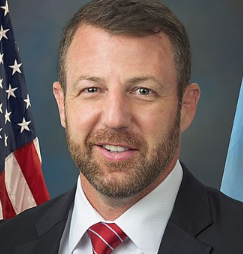
The secretary of homeland security says his department has arrested 2,210 terrorists inside the United States since January 20, 2025. He drew the line himself, and he drew it on purpose. These were not men who merely matched a watch list. “There’s a difference between a suspected terrorist and a terrorist watch list,” Markwayne Mullin said. “These were terrorists.”
The written tally put out on the eve of the September 11 anniversary is the same operation a few weeks earlier: more than 2,150 known or suspected terrorists arrested between Inauguration Day and September 9, and 2,015 of them already deported. By the first of October the running arrest figure was 2,210. In July it had been over 1,900, and Mullin said then, flatly, that these were not watch-list flags. They were known terrorists who came in under the previous president.
That is the record of a department that went and got them. The last one, under Biden, opened the door.
🚨 Mullin: You can’t have NATIONAL SECURITY if you don’t know who’s in your country.
@SecMullinDHS: “Under President Trump, to date, we’ve arrested 2,210 known terrorists… terrorists that entered this country under the Biden administration.” https://t.co/2o33a8t8W3
— Laura Ingraham (@IngrahamAngle) October 6, 2026
What the number is
A known terrorist, in the way the secretary used the term, is a man already identified as a member of a designated group or as a man in a plot. A watch-list hit is a flag at a booth. The department’s press line used the broader phrase. The secretary, twice, refused to let the broader phrase swallow the fact. He was not counting travelers with a bad name match. He was counting terrorists, arrested in American cities, by the administration that replaced the one that released them.
The public has been handed the total, the deportation count, and the cases that show the type. Abraham Hermosillo Alvarez, a Mexican national, was arrested in Omaha and charged as the ringleader of a failed plot against a fight card in June. He had overstayed a visitor visa that expired in 2001 and was handed deferred status in 2014. Felipe Linares De Oliveira Dell Aquilla, a Brazilian, was identified by the department as a former commander of two designated groups. The rest of the list is the secretary’s number. It is the number of the man who runs the count, and it has gone up every time he has given it, because the arrests have not stopped.
𝐃𝐇𝐒: 𝐈𝐂𝐄 𝐀𝐑𝐑𝐄𝐒𝐓𝐄𝐃 𝐎𝐕𝐄𝐑 𝟐,𝟏𝟓𝟎 𝐒𝐔𝐒𝐏𝐄𝐂𝐓𝐄𝐃 𝐓𝐄𝐑𝐑𝐎𝐑𝐈𝐒𝐓𝐒 𝐒𝐈𝐍𝐂𝐄 𝐓𝐑𝐔𝐌𝐏 𝐑𝐄𝐓𝐔𝐑𝐍𝐄𝐃 𝐓𝐎 𝐎𝐅𝐅𝐈𝐂𝐄
Twenty-five years after nineteen hijackers turned four airliners into weapons, the Department of Homeland Security has a number for what has happened since President Trump reclaimed his office: 𝐦𝐨𝐫𝐞 𝐭𝐡𝐚𝐧 𝟐,𝟏𝟓𝟎 𝐤𝐧𝐨𝐰𝐧 𝐨𝐫 𝐬𝐮𝐬𝐩𝐞𝐜𝐭𝐞𝐝 𝐭𝐞𝐫𝐫𝐨𝐫𝐢𝐬𝐭𝐬 𝐚𝐫𝐫𝐞𝐬𝐭𝐞𝐝, 𝟐,𝟎𝟏𝟓 𝐨𝐟 𝐭𝐡𝐞𝐦 𝐝𝐞𝐩𝐨𝐫𝐭𝐞𝐝. DHS Secretary Markwayne Mullin didn’t bury it in a press release footnote. “𝘜𝘯𝘥𝘦𝘳 𝘗𝘳𝘦𝘴𝘪𝘥𝘦𝘯𝘵 𝘛𝘳𝘶𝘮𝘱’𝘴 𝘴𝘵𝘳𝘰𝘯𝘨 𝘭𝘦𝘢𝘥𝘦𝘳𝘴𝘩𝘪𝘱, 𝘐𝘊𝘌 𝘩𝘢𝘴 𝘢𝘳𝘳𝘦𝘴𝘵𝘦𝘥 𝘮𝘰𝘳𝘦 𝘵𝘩𝘢𝘯 2,100 𝘬𝘯𝘰𝘸𝘯 𝘰𝘳 𝘴𝘶𝘴𝘱𝘦𝘤𝘵𝘦𝘥 𝘵𝘦𝘳𝘳𝘰𝘳𝘪𝘴𝘵𝘴, 𝘢𝘯𝘥 𝘩𝘢𝘴 𝘥𝘦𝘱𝘰𝘳𝘵𝘦𝘥 𝘮𝘰𝘳𝘦 𝘵𝘩𝘢𝘯 2,000 𝘬𝘯𝘰𝘸𝘯 𝘰𝘳 𝘴𝘶𝘴𝘱𝘦𝘤𝘵𝘦𝘥 𝘵𝘦𝘳𝘳𝘰𝘳𝘪𝘴𝘵𝘴 𝘧𝘳𝘰𝘮 𝘰𝘶𝘳 𝘤𝘰𝘶𝘯𝘵𝘳𝘺,” Mullin said.
The count runs from January 20, 2025 — the day Trump was sworn back in — through September 9, 2026, just ahead of the 25th anniversary of the September 11 attacks that k!lled nearly 3,000 Americans. Mullin tied the timing directly to that history. “𝘈𝘴 𝘸𝘦 𝘳𝘦𝘧𝘭𝘦𝘤𝘵 𝘰𝘯 𝘵𝘩𝘦 25𝘵𝘩 𝘢𝘯𝘯𝘪𝘷𝘦𝘳𝘴𝘢𝘳𝘺 𝘰𝘧 𝘵𝘩𝘦 𝘚𝘦𝘱𝘵𝘦𝘮𝘣𝘦𝘳 11 𝘢𝘵𝘵𝘢𝘤𝘬𝘴, 𝘵𝘩𝘦 𝘣𝘳𝘢𝘷𝘦 𝘮𝘦𝘯 𝘢𝘯𝘥 𝘸𝘰𝘮𝘦𝘯 𝘰𝘧 𝘐𝘊𝘌 𝘤𝘰𝘯𝘵𝘪𝘯𝘶𝘦 𝘵𝘰 𝘤𝘢𝘳𝘳𝘺 𝘰𝘶𝘵 𝘵𝘩𝘦𝘪𝘳 𝘥𝘶𝘵𝘺 𝘵𝘰 𝘱𝘳𝘰𝘵𝘦𝘤𝘵 𝘵𝘩𝘦 𝘩𝘰𝘮𝘦𝘭𝘢𝘯𝘥 𝘢𝘯𝘥 𝘬𝘦𝘦𝘱 𝘵𝘩𝘦 𝘈𝘮𝘦𝘳𝘪𝘤𝘢𝘯 𝘱𝘦𝘰𝘱𝘭𝘦 𝘴𝘢𝘧𝘦,” he said.
This is the same DHS that just unveiled a wartime seal, with Mullin declaring the department is “𝘢𝘵 𝘸𝘢𝘳 𝘦𝘷𝘦𝘳𝘺 𝘴𝘪𝘯𝘨𝘭𝘦 𝘥𝘢𝘺” against cartels and Islamist networks operating inside U.S. borders. The terrorist-removal tally isn’t a side statistic in that fight — it’s 𝐭𝐡𝐞 𝐫𝐞𝐜𝐞𝐢𝐩𝐭.
Every name on that list is someone who, under the previous administration’s policies, had a real sh∗t at vanishing into your neighborhood instead of a courtroom. Trump’s DHS made a different choice: 𝐟𝐢𝐧𝐝 𝐭𝐡𝐞𝐦, 𝐚𝐫𝐫𝐞𝐬𝐭 𝐭𝐡𝐞𝐦, 𝐫𝐞𝐦𝐨𝐯𝐞 𝐭𝐡𝐞𝐦 — no matter how long they’d been hiding in plain sight.
Twenty-five years after 9/11, DHS isn’t measuring the threat in speeches. It’s measuring it in arrests, deportations, and names crossed off a list before they could do harm on American soil.
𝐎𝐯𝐞𝐫 𝟐,𝟏𝟓𝟎 𝐬𝐮𝐬𝐩𝐞𝐜𝐭𝐞𝐝 𝐭𝐞𝐫𝐫𝐨𝐫𝐢𝐬𝐭𝐬 𝐚𝐫𝐫𝐞𝐬𝐭𝐞𝐝. 𝟐,𝟎𝟏𝟓 𝐫𝐞𝐦𝐨𝐯𝐞𝐝.
Mullin’s number: more than 2,150 known or suspected terrorists arrested since Trump returned, 2,015 already deported.
— M.A. Rothman (@MichaelARothman) September 11, 2026
How the last administration let them in
Mullin’s account of the door is the indictment. Most of them came over and claimed asylum. Most of them gave a fake name. Some were caught at the line. A lot of them were cut loose. Under the previous administration, 97 percent of the people the department encountered were released within twenty-seven hours.
That was not a gap. That was the policy. A man presents himself between the ports, or at one. He gives a name that is not on the list because it is not his. He says the word asylum. The rule then in force processed him and turned him loose inside a day and a half, with a court date years off and nobody left to check the name against the group he belonged to. The catch came later, if it came at all, when a fingerprint or a foreign notice put the real identity on the file. By then he had an address, a job, and a head start measured in months. The current department is arresting men the last one processed and freed.
The other door did not bother with the claim. Over those four years, agents recorded about two million gotaways: people detected crossing and not apprehended. The agency did not publish the figure in its monthly tables. Officers on the line said some of those who walked through were on the watch list, and some had been deported before. A man who does not stop for the agent does not need a fake name. He needs a government that has decided the line is a suggestion. He got one.
The visa is the third door, and the Omaha case is the sample of how long the negligence ran. A visitor’s stamp expires in 2001. The man stays. In 2014 a program for people brought here young turns an overstay into a resident. Not every name in the 2,210 arrived in the last rush. Some were already here, unclassified, because nobody in authority cared to run the record. The current department ran it.
Three years ago could be tomorrow if Americans forget what open borders looked like.
— Homeland Security (@DHSgov) October 4, 2026
What the border was counting while they were releasing
The watch-list encounters at the land border are a different statistic, and they show a net the last administration refused to pull. In the last full year before that administration, agents logged a handful. In fiscal 2022 they logged 98. In fiscal 2023 they logged 169. Those are the men who were stopped and matched, under a policy that still released 97 percent of encounters inside twenty-seven hours. A match you catch and a match you wave through are the same man until the second one is in a city. The flags were lighting up at the river. The interview room was a turnstile.
Travelers from countries the department itself had flagged came through that turnstile by the hundreds of thousands. That category is not a conviction. It is the pool the last administration stocked, and the pool this one is fishing.
The difference between the two departments
Finding 2,210 is not a cleanup crew apologizing for a shared mistake. One department released known terrorists into the country on a fake name and an asylum claim, inside a day and a half, and looked the other way while two million more walked past the sensors. The other has arrested 2,210 of them, deported more than 2,000, and is still adding to the list. Mullin said the unknown man, the one nobody is tracking, is the remaining worry. That worry was manufactured by the policy he inherited.
The number is the secretary’s, and he has been plain about what it counts. The path is plainer. They asked for asylum. They gave a name that was not theirs. The last administration let them go. This one is going to the addresses, and it is not asking the last one for permission.