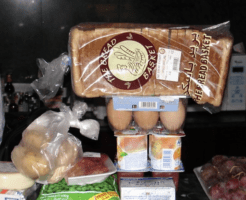
Grocery prices still pinch, and the surest way most families get relief is not a viral hack. It is cooking at home from staples you already planned to buy. This is so much commonsense but given the number of takeout joints I see everywhere it’s worth reminding your non self-reliant friends.
Iowa State University Extension’s Spend Smart. Eat Smart. program puts it plainly: food cooked at home is typically healthier and less expensive than convenience or restaurant meals. Purdue Extension’s nutrition education materials make the same case. Plan the week, shop with a list, and use what you already have before you spend another dollar.
Start with what is in the house
Before you go to the store, open the freezer, cabinets and refrigerator. Purdue advises writing meals around foods you already own so you do not buy duplicates that spoil. Make a simple weekly menu and a grocery list from it. Put easier meals on your busiest nights and save longer recipes for days off.
Iowa State recommends stocking foods that cook fast and stretch: rice, pasta, tortillas, canned fruits and vegetables, spaghetti sauce, salsa, cheese and eggs. Eggs are a low-cost protein Purdue highlights for that reason. Choose plain frozen vegetables without sauces or butter; they keep longer than fresh and often cost less. Buy in-season produce when you can, and only as much as you will use before it goes soft.
Shop once and cook ahead
Compare unit prices on the shelf tag. Value packs of chicken or lean ground beef can save money if you have freezer space: divide, wrap and freeze what you will not cook this week. Purdue suggests lean turkey or chicken and, for ground beef, a lean blend such as 92 percent lean.
Iowa State’s prep-ahead list is practical. Brown ground beef and freeze it in meal-size portions. Cook, chop and freeze chicken. Dice onions and peppers, cook them and freeze in bags. Double a recipe: eat one tonight and freeze the second. Use a slow cooker in the morning so dinner is ready when you walk in. Leftovers belong in labeled containers; refrigerated leftovers should be used within four days or frozen.
Cut waste and keep it safe
Food waste is money in the trash. Plan “leftover night.” Turn roast chicken into soup, tacos or a casserole. Soft vegetables can go into a stir-fry or stew. Drink tap water instead of buying sodas; Purdue notes that choice protects both the budget and the calorie count.
Keep the kitchen safe while you save. Wash hands for 20 seconds. Use separate cutting boards for raw meat and produce. Refrigerate perishable food within two hours. Thaw meat in the refrigerator, not on the counter. Use a food thermometer. Those habits come from extension food-safety basics, not from a diet fad.
Keep the menu simple
You do not need specialty ingredients. A pot of beans and rice, sheet-pan chicken, scrambled eggs with vegetables, oatmeal, chili and homemade soup cover many nights. Batch-cook a grain and a protein on Sunday so weeknights are assembly, not a scramble. Iowa State says to read a recipe through first so you know the time and tools you need.
Cooking at home will not erase every price increase at the store. It will put more of your paycheck into meals your family actually eats, and less into packaging, drive-through windows and food that spoils in the crisper. Start this week with a pantry check, a short list and one double batch you can freeze.