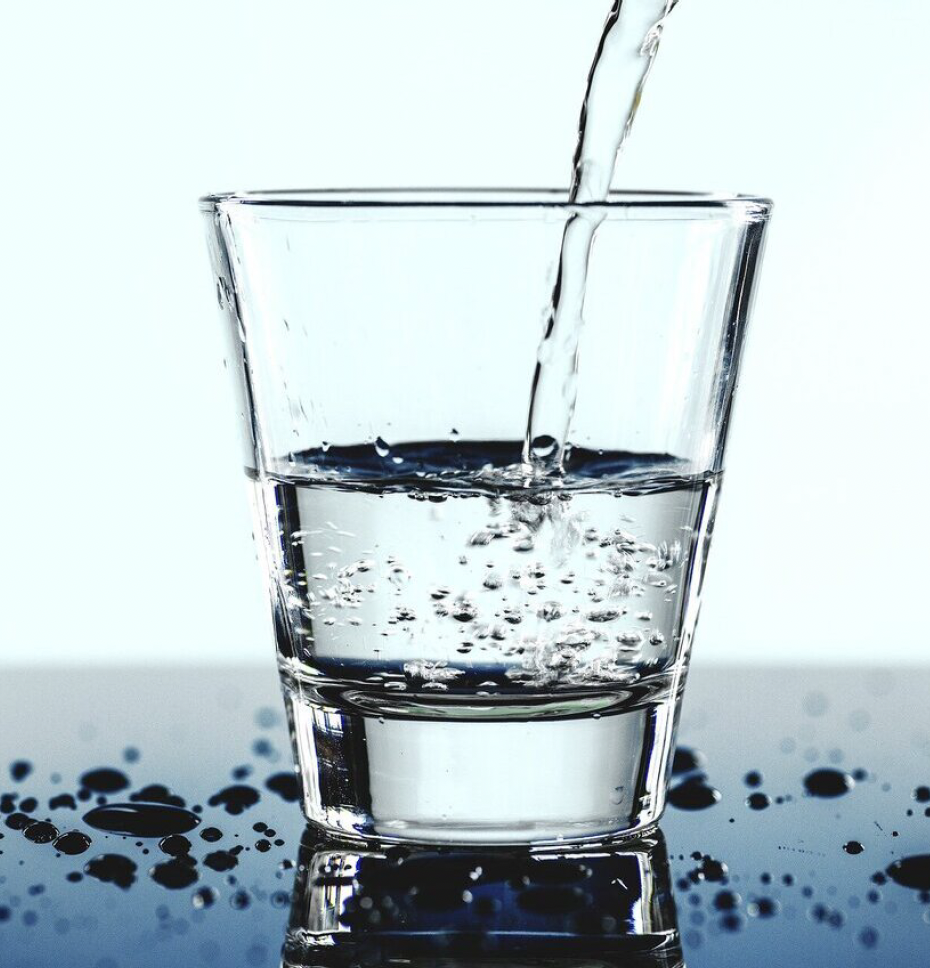
Winter storms can knock out more than the lights. The American Red Cross warns that during a winter storm you may lose access to drinking water, and it recommends setting aside at least one gallon of drinking water per person per day before the weather turns. Here is how much to keep, how to store it, and what to do if you run out, according to Ready.gov and the Red Cross.
How much you need
Ready.gov, the federal government’s preparedness site, says to store at least one gallon of water per person per day for several days, for drinking and sanitation. A normally active person needs about three-quarters of a gallon of fluid a day from water and other drinks, the site says, but needs vary with age, health, activity, diet and climate.
Some people need more. Ready.gov notes that children, nursing mothers and sick people may need extra water, and that a medical emergency might require more as well.
The Red Cross suggests two kinds of kits. A Go-Kit holds at least three days of supplies you can carry if you need to leave home to stay warm. A Stay-at-Home Kit holds at least two weeks of supplies. For a family of four, one gallon per person per day works out to 12 gallons for three days and 56 gallons for two weeks.
How to store it
The simplest choice is commercially bottled water. Ready.gov says to keep it in its sealed original container in a cool, dark place.
If you fill your own containers, use food-grade water storage containers. Before filling them with chlorinated tap water, wash them with dishwashing soap and sanitize them with a solution of one teaspoon of unscented liquid household chlorine bleach to a quart of water. Ready.gov says water that was not commercially bottled should be replaced every six months.
If you run out
Ready.gov says never to ration drinking water unless authorities tell you to. Drink what you need today and look for more for tomorrow. Do not substitute coffee, soda or alcohol for water, because caffeinated drinks and alcohol increase the body’s need for water.
If you have to use water of uncertain quality, let any particles settle or strain the water through coffee filters or clean cloth first. Then treat it in one of two ways.
Boiling is the safest method. Bring the water to a rolling boil for one full minute and let it cool before drinking.
Chlorination works if you have plain household liquid bleach containing 5.25 to 6.0 percent sodium hypochlorite. Do not use scented, color-safe or added-cleaner bleaches. Add one-eighth teaspoon of bleach per gallon of water, stir, and let it stand 30 minutes. The water should have a slight bleach smell. If it does not, repeat the dose and wait another 15 minutes. If it still does not smell of chlorine, throw it out and find another source.
Ready.gov says boiling and chlorination kill most germs but do not remove heavy metals, salts or most other chemicals.
Keep the rest of the house in mind
The Red Cross also advises learning how to keep your pipes from freezing and being ready to live without power, gas and water for a while. Its winter list includes a one-month supply of needed medications, a battery-powered radio and backup batteries or a way to charge your phone.
Water is the easiest part of that list to put away now, while the shelves are full and the roads are clear. Stocking it now is one of the simplest steps a household can take before the first big storm.