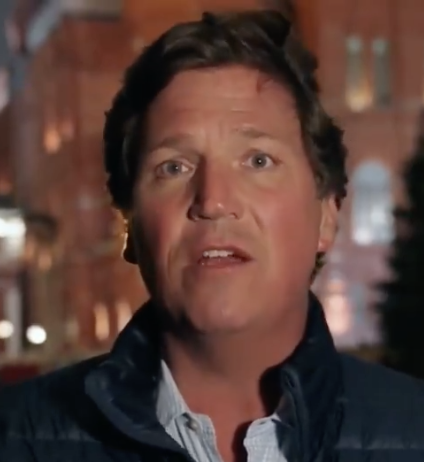
Tucker Carlson dropped a 10-point manifesto in early August laying out what he says America should be. It came in a long livestream after meetings with figures like Marjorie Taylor Greene and Thomas Massie, and it has fueled talk of a third-party effort or even an independent presidential run in 2028. Carlson has previously said he is not planning to seek office himself. The document still reads like a campaign platform aimed at voters who feel both major parties have failed them.
Public frustration with the two major U.S. parties has remained elevated, with Gallup recording 62% support for the idea of a third party. In August 2026 Tucker Carlson released a 10-point manifesto amid speculation about alternative political vehicles. A concurrent Reuters/Ipsos…
— Planet Today (@PlanetTodayNews) August 10, 2026
The Ten Points
Here is the core of what he outlined:
- Fair Equal application of the law to everyone, including presidents, federal agents, and elites. No special treatment for the “Epstein class.” End race and identity preferences.
- Sovereign America free from foreign and corporate control. Heavy criticism of foreign lobbying, particularly Israel’s influence, and of being pulled into wars through pressure or inducement. High national debt treated as a form of external control.
- Productive Rebuild manufacturing, farming, and skilled trades. Reject an economy dominated by finance, real estate speculation, surveillance technology, and weapons production.
- Beautiful Clean, safe, attractive cities. Crack down on crime, public drug use, graffiti, and urban decay. Prefer traditional architecture and ordered public spaces.
- Healthy Cleaner food supply and less dependence on pharmaceuticals. Alignment with the health priorities associated with Robert F. Kennedy Jr.
- Honest Punish government officials who lie to the public. Greater transparency and declassification of records.
- Optimistic Encourage higher birth rates. A country that does not care about children does not care about its future.
- Wise Practical, reality-based education instead of ideology-driven schooling.
- Decent Reject unnecessary wars and support for atrocities. A foreign policy that is pro-human rather than endless intervention. Criticism of the current administration’s approach to recent conflicts.
- United A common national identity. Pause mass immigration until the effects of artificial intelligence on the job market are clearer. End benefits for illegal immigrants. Make English the language of federal documents and ballots.
Is There Enough Here for a Presidential Campaign?
Yes, as a message. No, as a realistic path to the White House under current rules.
The platform is coherent. It blends economic nationalism, cultural traditionalism, anti-elite accountability, skepticism of foreign entanglements, and a focus on family formation and physical health. These themes already resonate with a slice of the electorate that feels the post-2016 populist revolt was captured or diluted. The emphasis on fairness under the law, sovereignty, and productive industry gives it more substance than pure grievance. The immigration and language points are clear and popular with a significant share of voters. The anti-war and anti-foreign-lobby stance differentiates it from mainstream Republican foreign policy.
The podcaster’s ten-point plan percolates with conspiracy theories and anti-Jewish paranoia, write the editors of the Sun
Read more ⬇️ https://t.co/YLo6kYm39n pic.twitter.com/i8jPLDrzC3
— The New York Sun (@NewYorkSun) August 10, 2026
That said, a presidential campaign requires more than a manifesto. Ballot access in 50 states is expensive and time-consuming. Fundraising against the two major parties is brutal. Winner-take-all Electoral College rules punish third-party candidates. History is littered with high-profile independents and third-party efforts that peaked in the polls and then collapsed. Carlson’s personal brand is strong with a particular audience, but converting media influence into votes across diverse states is a different skill set.
The more realistic impact is pressure. A well-organized effort built around these points could pull Republican candidates further toward economic nationalism and restraint abroad, or force Democrats to confront their own vulnerabilities on immigration and elite accountability. It could also serve as a vehicle for down-ballot candidates or a longer-term realignment project.
Carlson has not declared a candidacy. The manifesto is a statement of principles more than a formal platform with legislation attached. It is detailed enough to form the spine of a serious challenge to the existing order. Whether it becomes the basis of an actual presidential campaign depends less on the ideas themselves and more on organization, money, and the willingness of voters to abandon the two-party habit. The ideas are there. The machinery is not—yet.