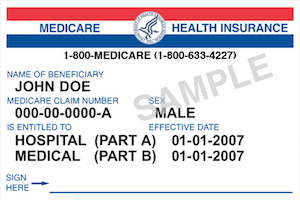
More than 20 million seniors are about to find an extra $90 in their bank accounts, and it’s coming from a Medicare fund that, until now, had never been used to pay seniors directly.
President Trump announced on October 2 that the federal government will send a one-time $90 payment to Medicare Part B enrollees to help cover the cost of their monthly premiums. The White House says the money will come from the Medicare Improvement Fund, which Congress created in 2008 and which, according to the administration, has never before been used to send money directly to beneficiaries.
Who gets the money
According to the White House fact sheet, the payment goes to more than 20 million people enrolled in Medicare Part B. A few groups are left out:
- People whose Part B premiums are already paid by Medicaid
- Higher earners who pay the extra Income-Related Monthly Adjustment Amount, known as IRMAA
Most eligible seniors will get the $90 by direct deposit in early October, the White House said. Those without direct deposit will get a paper check, also in early October, mailed to the address on file with Medicare.
If you’re not sure whether you qualify, the White House says to call 1-800-MEDICARE (1-800-633-4227). Questions about the status of a payment go to the Social Security Administration at 1-800-772-1213.
Where the money comes from
President Trump said the Medicare Improvement Fund “was given $2 billion by Congress to improve the Medicare fee-for-service program,” according to a Reuters report carried by NTD. Twenty million payments of $90 works out to roughly $1.8 billion by our math, so the payments fit inside money Congress has already set aside.
“President Trump is the first President to ever use the Medicare Improvement Fund to directly lower costs for senior citizens,” the White House fact sheet says.
Why seniors need it
Part B premiums have climbed fast. According to FOX 5 DC, the standard monthly Part B premium jumped from $185 in 2025 to $202.90 in 2026, an increase of $17.90 a month, or 9.7%. The annual deductible rose from $257 to $283.
That premium hike ate a big chunk of the 2.8% Social Security cost-of-living raise seniors received this year. The $90 payment roughly covers five months of that increase.
The politics
The announcement comes one month before the November midterm elections, and the Reuters report noted it is the latest in a series of financial promises the President has made to voters. Trump has also proposed $5,000 checks to adult citizens if Republicans hold the House and Senate, an idea that drew skepticism from analysts, economists and some Republican lawmakers, Reuters reported.
Separately, the administration is sending $500 payments to nearly 1 million Americans who bought Affordable Care Act coverage, which it describes as refunds for excessive fees.
Watch out for scams
Any time the government announces a payment, scammers follow. The White House says most people will get their money automatically by direct deposit or check, so you should not need to hand over personal information to receive it. If someone calls, texts or emails offering to “release” your $90, hang up and call 1-800-MEDICARE yourself.
The bottom line
Washington is full of accounts that hold money for years without it ever reaching the people it was meant to help. The Medicare Improvement Fund is a good example. Created in 2008, it had never paid seniors directly until now, according to the White House. Sending that money back to the retirees who pay Medicare premiums is better than leaving it for bureaucrats to spend on something else.
Critics will say the timing is political, and it’s fair to note the calendar. But the money was already appropriated, and the premium increase seniors are paying is real. A one-time $90 payment doesn’t fix Medicare’s long-term cost problems. The deeper fix is bringing down the cost of care itself.
Still, for a retiree on a fixed income who watched a Social Security raise disappear into a bigger Medicare bill, $90 is not nothing. It is their money, and it is going back to them.