Green Virtue Signaling Meets Brutal Summer Reality
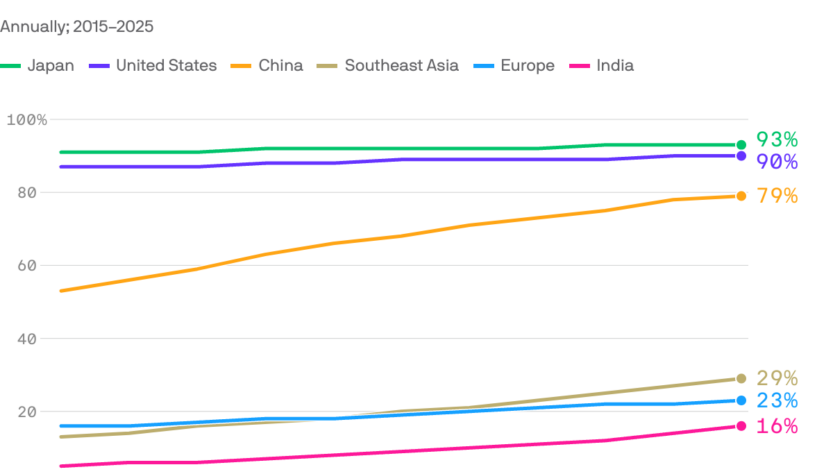
Europeans love to lecture America about climate virtue. Yet when temperatures soar, their buildings turn into ovens while Americans and Japanese stay cool. Air conditioning penetration in Europe lags dramatically—often under 10-20% in many countries versus over 90% in the U.S. and high rates in Japan. This is not accidental. It is a deliberate policy choice rooted in green ideology, energy austerity, old infrastructure, and cultural snobbery. Europeans suffer through heat waves because elites decided comfort is a luxury for the deplorables. The hypocrisy is glaring. They demand sacrifices from citizens while jetting to climate summits. Will Europe ever catch up? Only if reality finally overrides ideology. Right now, they are choosing discomfort to signal virtue—and paying for it in productivity, health, and quality of life.
🚨 BREAKING:
As people lose their lives due to extreme heat in Europe, a livestock farmer in Adana had air conditioning installed in the barn for his sheep.
Why is Europe against air conditioning? pic.twitter.com/EYP20EEyul
— GBC (@GBC_Press) July 20, 2026
Britons ordered to remove air conditioning from homes in 40C heat under Net Zero crackdownhttps://t.co/mfU6pLEtUP
— GB News (@GBNEWS) June 25, 2026
The Numbers Don’t Lie: Europe Is Behind for a Reason
U.S. households have AC in massive numbers—central systems or room units are standard. Japan adopted it aggressively for efficiency and livability in humid climates. Europe? Spotty at best. Northern countries hover near zero in homes. Southern ones like Spain or Italy have more but still trail. Commercial buildings lag. The gap widened with EU green mandates pushing efficiency over comfort. Energy prices, especially post-Russia sanctions, made cooling expensive. Cultural attitudes play a role: “real Europeans” tough it out, while Americans are soft for wanting 72 degrees. The result is misery during heat domes—elderly deaths, lost work, closed schools. Data shows Europe’s buildings are poorly insulated for cooling, designed for retaining heat. Retrofitting is costly and slow. Policy actively discourages widespread adoption through carbon taxes and efficiency rules that prioritize net-zero over human needs.
Europe’s AC phobia leads to 175,000 deaths every year. And yet 80% of Europeans still have no air conditioning, thanks to complex permits, regulations, and noise ordinances.
AC is not a luxury; it saves lives, says Cato’s @chellivia.https://t.co/H7Px3wF7PF
— Cato Institute (@CatoInstitute) July 21, 2026
Why Europe Resists AC: Ideology Over People
Several factors converge:
- Green Dogma: EU climate targets treat energy use as sin. AC consumes power, so it must be restricted. Subsidies favor heat pumps or passive design over proven cooling. Emissions targets trump human comfort. They lecture on global warming while ignoring adaptation.
- Energy Dependence and Costs: Reliance on intermittent renewables and Russian gas shocks made electricity expensive. AC is seen as wasteful luxury. Rationing mentality prevails—blackouts or high bills deter installation.
- Old Infrastructure: Historic buildings and dense cities make retrofits difficult. Windows, insulation, and grids are not built for widespread cooling. Bureaucracy slows change.
- Cultural and Class Snobbery: Elites with villas or northern escapes downplay the problem. “Europeans don’t need AC” becomes a badge of superiority. Working people in urban heat islands suffer. Media frames American AC as excessive consumption.
- Policy Choices: Building codes, taxes, and subsidies discourage adoption. Some cities restrict new installs. Contrast with U.S. market-driven boom and Japan’s efficiency focus.
Europe’s approach is self-inflicted. Heat waves kill more than cold in modern data. Productivity drops. Tourism suffers. Yet policy remains rigid. Virtue signaling over adaptation.
America left footprints on the moon in 1969. They still don’t have air conditioning in Europe today. pic.twitter.com/SL9yf4yfvJ
— Scott Jennings (@ScottJenningsKY) July 20, 2026
Will Europe Ever Catch Up?
Slowly, perhaps, but not soon. Southern Europe is adding units as climates warm and tourists demand comfort. Northern adoption creeps up with rising temperatures and wealth. But EU net-zero zeal, energy poverty, and bureaucracy hinder scale. Retrofitting billions in buildings is expensive. Political resistance from greens blocks faster progress. Japan and America prove AC works with smart design. Europe could import best practices—efficient units, smart grids, nuclear for baseload power. Instead, they double down on windmills and guilt.
Real change requires ditching ideology for pragmatism. More nuclear, streamlined permitting, market incentives. Until elites admit comfort is not a sin, summers will remain miserable. America’s AC success shows the way: innovate, power abundantly, prioritize people. Europe lags because it chooses scarcity. The heat is on—literally. Adaptation or suffering. The choice is theirs. So far, they are choosing poorly.